

Tokiwa-so Project Launches a New Era in Sapporo: First Regional Shared House for Young Mangaka Opens
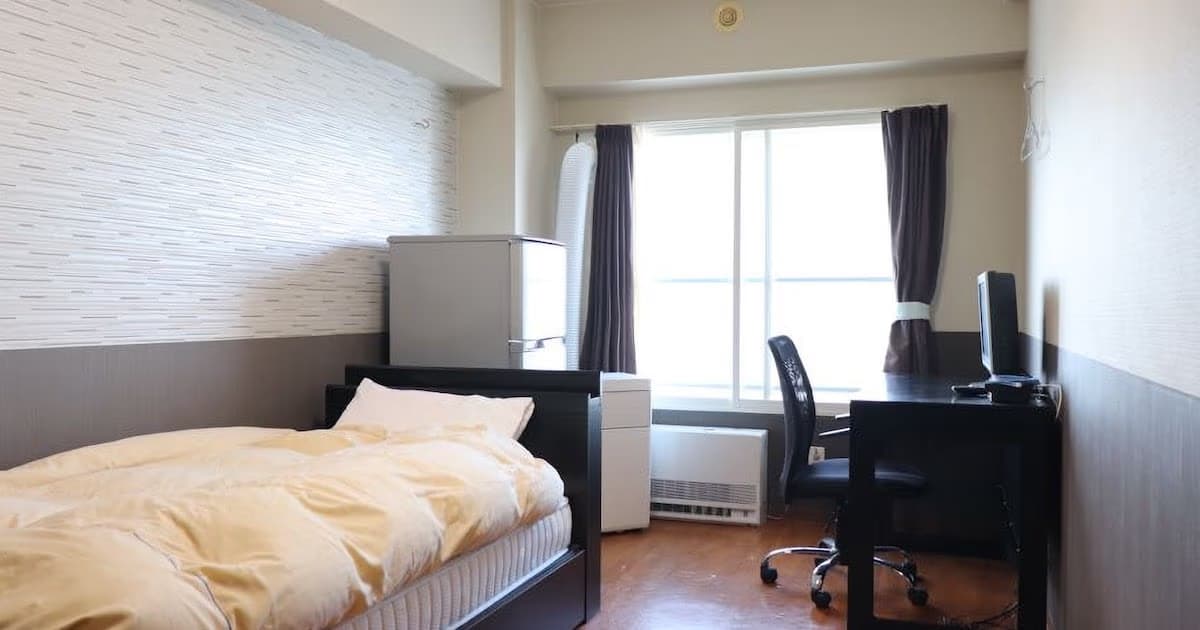
The Tokiwa-so Project, which set out to support young manga artists, took a major step today (April 27) by opening its first directly managed shared house outside of Tokyo. Located in the Toyohira district of Sapporo, Hokkaido, the Sapporo Misono Tokiwa-so Room has opened its doors to talents dreaming of becoming professional mangaka. Offered at a very affordable monthly rent of 41,900 yen (including management fees), this facility aims to allow artists to focus on their work without being crushed by the high costs of big cities.
This newly opened facility is designed as a full-fledged living center rather than just a housing space. The facility offers meal services so that artists can devote more time to their drawings, and it also features a large public bath (o-furo) to relieve the fatigue of the day. With this move, Tokiwa-so Project officials aim to ensure that creative potential is not limited to Tokyo and to bring talents from all over Japan into the professional sector. This regional expansion also supports the reality that in the digitalizing manga world, artists can work from anywhere.
The roots of this meaningful project go back to the golden age of manga history. The project takes its name from the original Tokiwa-so apartment, where legendary names such as Osamu Tezuka (Astro Boy), Fujiko F. Fujio (Doraemon), and Shotaro Ishinomori (Kamen Rider) lived and worked together in the 1950s. The modern Tokiwa-so Project, launched by the NPO Newberry in 2006, has helped more than 600 artists make their professional debut to date. The project not only provides cheap housing for young people but also offers opportunities to meet with editors and technical training.
This new center in Sapporo has strategic importance in breaking the centralized structure of the manga industry. Although giant publishing houses like Shueisha and Kodansha are still based in Tokyo, such regional initiatives allow young artists to take steps toward a global career while staying in their own cities. For the manga community, this development means more diversity and a more accessible sector. In the coming period, the project is expected to expand to other major Japanese cities and revitalize local manga cultures.