

Frenemies: Thicker Than Blood — Chapter 6










Chapter Analysis: Frenemies: Thicker Than Blood — Chapter 6
Chapter Analysis Frenemies: Thicker Than Blood — Chapter 6
Chapter 6 of Frenemies: Thicker Than Blood hits like a held breath finally breaking, pushing Yeo Haon and Baek Rigon from cold posturing into something far more raw and honest. After the tension of their reunion, this installment strips away the formalities of rivalry and forces both men to confront what their separation actually cost them. Haon, still carrying the pride and hurt of the Grandmaster's son, tries to maintain control, but his composure cracks in the small moments, a lingering glance, a hand that hesitates a second too long. It is a subtle but powerful shift that shows how much his resentment is really just grief in disguise.
Rigon remains the quieter storm of the two, and this chapter gives us a deeper look at his stoicism not as coldness but as survival. His restraint feels heavier here, especially when proximity to Haon starts to unravel years of carefully built walls. Their dialogue is sharp and loaded, every exchange carrying double meaning, part challenge, part confession. The push and pull between them feels dangerous because neither is willing to be the first to admit how much the other still matters.
Emotionally, the chapter leans into longing, shame, and the ache of unfinished history. It explores how rivalry can be a safe mask for desire, allowing both characters to stay close without admitting vulnerability. The historical martial arts setting amplifies this, with codes of honor and duty constantly clashing against personal feeling.
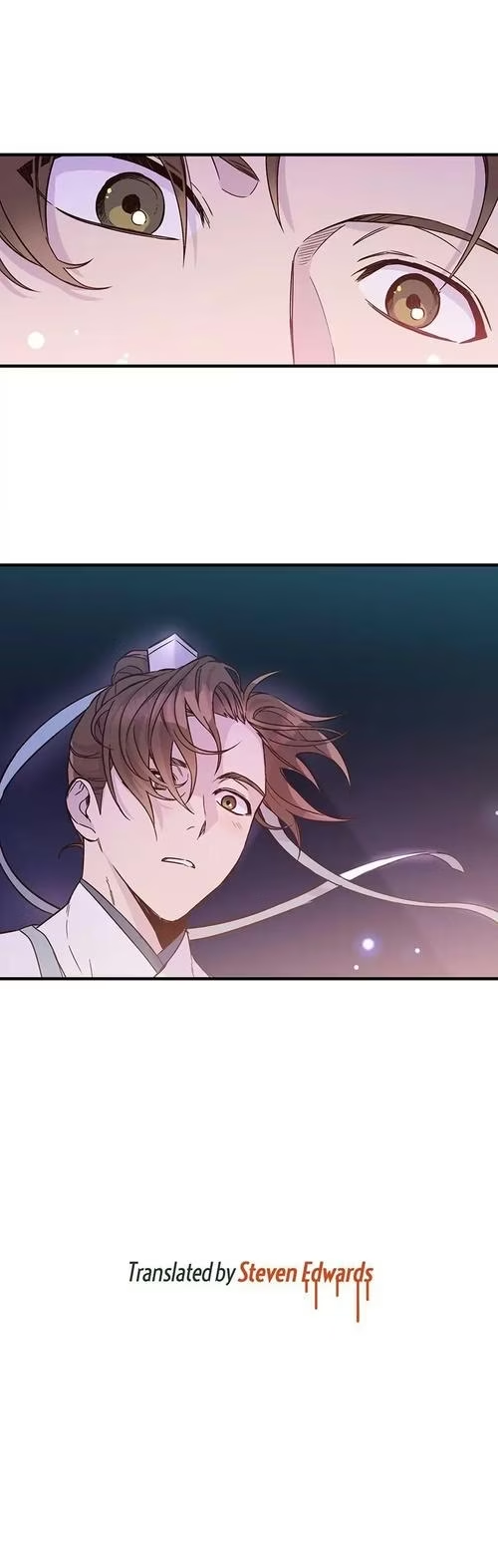
Visually, Nichtigall delivers some stunning work. The fight choreography flows into intimate framing beautifully, with close-ups on eyes, throats, and trembling fingers doing more storytelling than words. The use of shadow and candlelight in the indoor scenes creates a suffocating, sensual atmosphere that mirrors their emotional state. For fans, this is the chapter where the slow burn truly starts to scorch.