
Gundam's Iconic Mascot Haro Becomes Reality: It Will Accompany Astronauts on the International Space Station
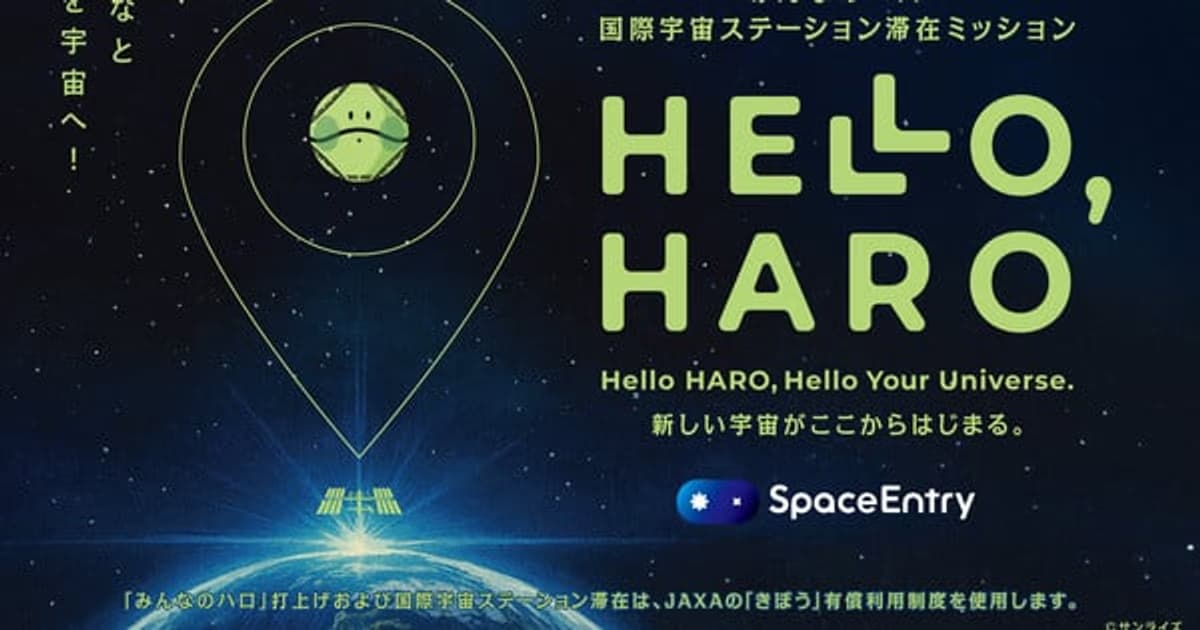
Haro, one of the most recognizable mascots in the anime world, is preparing to step out of the fictional universe and into the real vacuum of space. Kunio Okawara, the legendary mechanical designer of the Mobile Suit Gundam series, has launched a comprehensive project to integrate the iconic spherical robot into the International Space Station (ISS). If this initiative is successful, Haro will make history by becoming the first robot in space capable of actively chatting with the crew and assisting them.
This exciting project has a serious technological foundation that goes beyond mere promotional work. The newly developed Haro unit is designed to assist astronauts with their daily routines, facilitate communication within the station, and keep the crew's morale high during long-term missions. Thanks to advanced artificial intelligence support, the robot will be able to understand voice commands and engage in complex dialogues, essentially bringing to life the loyal friend that accompanied the main character Amuro Ray in the original 1979 series. Seen as the next level of drone projects like Int-Ball, which was previously conducted with the Japan Aerospace Exploration Agency (JAXA), this initiative combines anime aesthetics with modern robotic engineering.
Haro's history is as deep and significant as the Gundam brand itself. First introduced to audiences in the 1979 Mobile Suit Gundam series, this small robot has appeared in many different productions over the years, such as Gundam SEED, Gundam 00, and Gundam Age, with various colors and abilities. Its designer, Kunio Okawara, notes that the robot's simple yet functional spherical design is the perfect form for moving within a space station, despite the challenges of a zero-gravity environment in the real world. This project will be the most concrete and functional contribution the Gundam universe has made to real space exploration since the G-SATELLITE project, which sent small figures into orbit during the 2020 Tokyo Olympics.
For science fiction fans, this development is considered one of the most impressive examples of dreams turning into reality. Haro's journey to the ISS is not just a technological achievement, but also proof of how popular culture can inspire scientific research and technological innovation. In the coming months, the robot's durability tests for space conditions are expected to be completed, and the final launch schedule is expected to be announced. Hearing that famous "Haro! Genki!" sound echoing through the corridors of the space station will be an unforgettable moment for both anime fans and the scientific community.