

Modern Art and Youth Together: The First Volume of Conceptual Girl Is on the Shelves!
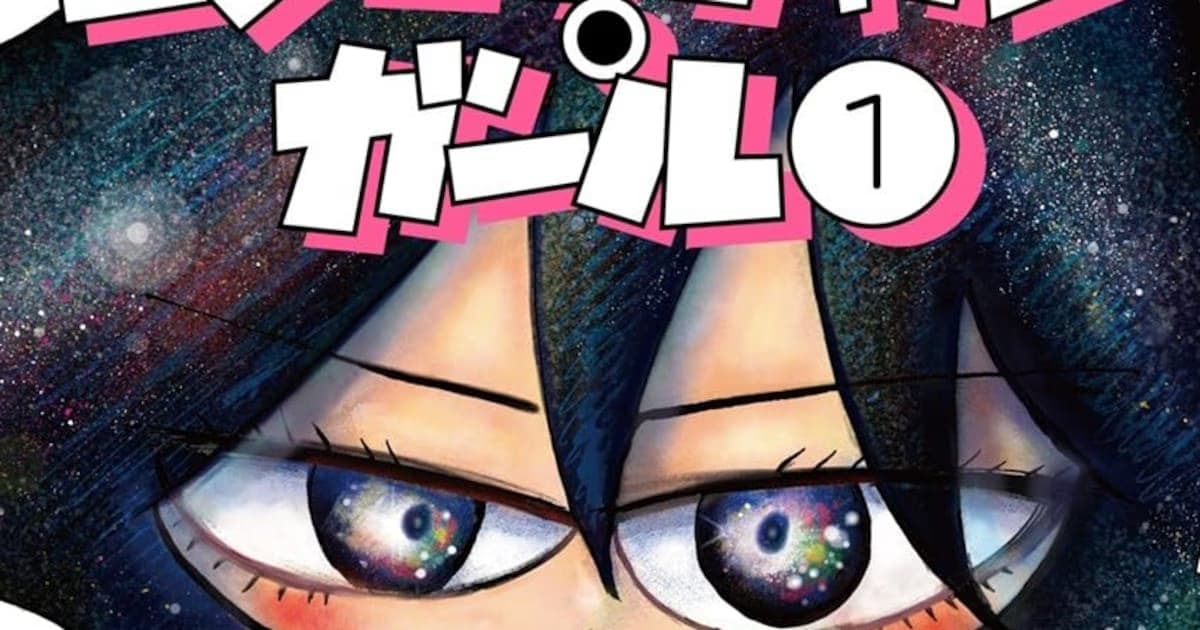
The complex and sometimes confusing world of modern art is combined with the energy of high school students this time. Papillon Honda, who gained a large fan base with the one-page humorous art manga shared on social media, officially released the first volume of their first long-running series, Conceptual Girl, as of April 24, 2026. Taking its place on the shelves under the Shueisha label, this work reveals that art is not just about aesthetics, but how the ideas behind it can turn into a youthful adventure.
The story revolves around a Modern Art Club (Gendai Bijutsu-bu) at a high school. While the young girls in the club push the boundaries of contemporary art, they both support each other and engage in deep yet equally fun discussions about what art is. Papillon Honda continues their unique surreal sense of humor in this series, masterfully weaving many art movements and artists, from Marcel Duchamp to today's installations, into the story. By taking the philosophical aspect of art out of being "incomprehensible" and blending it with the daily troubles of young people, the series promises the reader both laughter and new perspectives.
When we look at the author's background, we see that they are no stranger to the art world. Having previously addressed art history and the psychological difficulties experienced by artists with a humorous language in works such as Bijutsu no Trauma-chan and Bijutsu-dou, Papillon Honda takes this success a step further with Conceptual Girl. The series, which was initially serialized on the website of the men's fashion magazine UOMO, gained a physical volume format thanks to the intense interest it received in a short time. This volume is the author's first serious feature-length work focusing on character development, rather than the short jokes on Twitter (X).
Although art-themed manga have gained popularity in recent years with successful examples like Blue Period, Conceptual Girl distinguishes itself from its peers by focusing directly on "conceptual art." While emphasizing that art is not just a technical skill but a way of thinking, the work offers a sincere school life story. The fact that the first volume also includes special chapters not found in the web version and the author's drawing notes makes it a valuable collector's item for the series' avid followers. If you are curious about what art is but don't know where to start, this fun club story might be just for you.