
Mamoru Hosoda's Three Classic Films Meet in McDonald's Ad
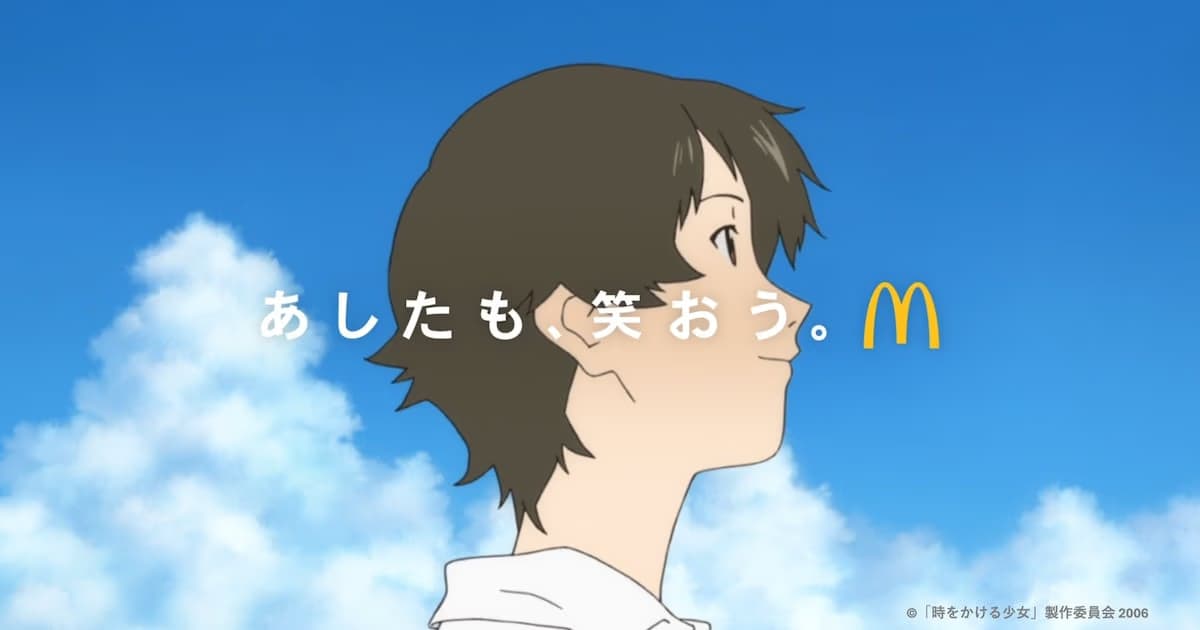
McDonald's Japan has released a brand new television commercial in collaboration with three cult films by beloved anime director Mamoru Hosoda. Titled "Big Mac – Then and Now, When It's Summer," the ad began airing nationally from June 30. The commercial features unforgettable scenes from The Girl Who Leapt Through Time, Summer Wars, and Wolf Children.
The commercial brings together the most iconic moments of these films, which are particularly associated with the summer season. The running scene from The Girl Who Leapt Through Time, the exciting moments in the virtual world OZ from Summer Wars, and the warm summer days intertwined with nature from Wolf Children accompany the Big Mac's theme of "summer meaning in every era." McDonald's Japan officials stated that this collaboration was designed to offer anime fans both nostalgia and the spirit of summer together.
So why exactly these three films? Mamoru Hosoda, as co-founder of Studio Chizu, is a name recognized not only in Japan but worldwide. The Girl Who Leapt Through Time (2006) is a youth drama themed around time travel that marked his international breakthrough. Summer Wars (2009) is a sci-fi classic intertwining the digital world and real life, telling a story of family bonds and solidarity. Wolf Children (2012) offers an emotional summer tale with the growth story of a supernatural family. All three films carry Hosoda's signature themes of "family, community, and change."
This commercial is one of the rare cultural bridges established between a major fast-food brand and the works of a prestigious anime director. Previously, McDonald's Japan had made similar collaborations with Studio Ghibli films. However, Hosoda's place in the modern anime scene and the international success of his films (for example, The Girl Who Leapt Through Time grossed over $54 million worldwide) ensure that this campaign resonates not only in Japan but also in the global anime community.
The commercial attracted great attention on social media in its first week, drawing the attention of not only Hosoda fans but also new viewers. McDonald's aims to reach especially young adult consumers with such nostalgic campaigns. It remains to be seen whether similar anime collaborations will continue in the future. If the ad achieves the expected success, it is likely that other brands will follow this path. For anime fans, this is an exciting sign that beloved works will find a place in mainstream culture more often.