
A Sad Loss for the Manga World: Creator of Tanma-kun, Sadao Shoji, Passes Away at 88
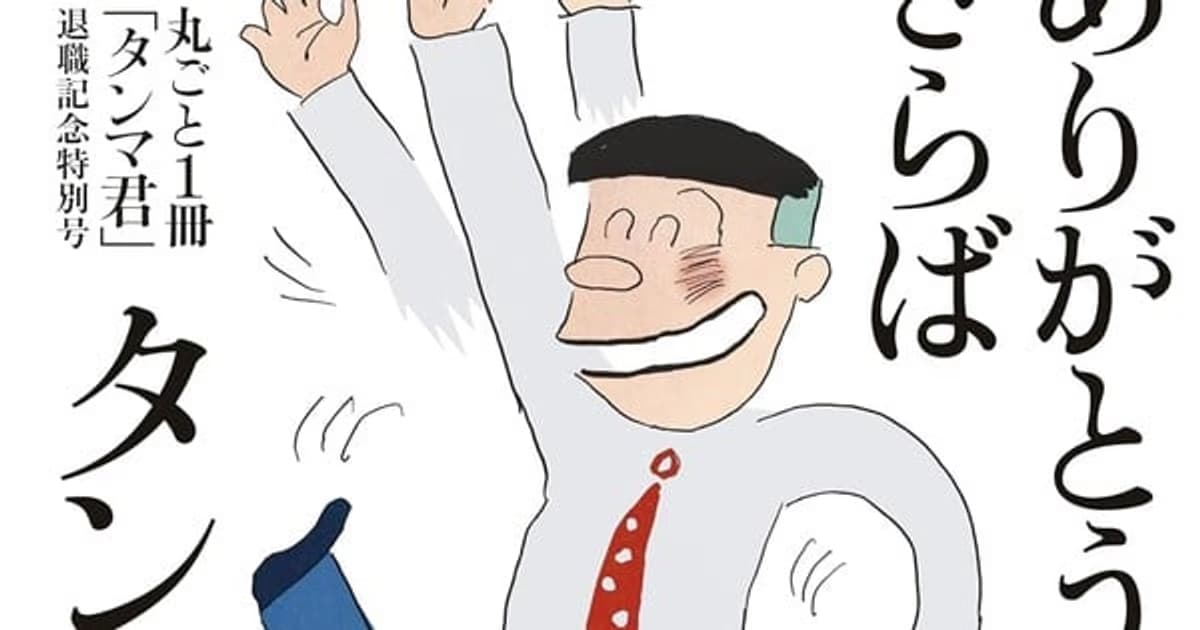
The manga world is deeply saddened by the loss of one of the genre's most established and respected figures. Master artist Sadao Shoji, creator of the long-running Tanma-kun and Asatte-kun series, passed away on April 5, 2026, at the age of 88. According to Japanese news sources, the artist died of heart failure at a hospital in Tokyo. Shoji was widely considered a pioneer of manga that humorously addressed the Japanese business world and the daily tragicomic lives of office workers (salaryman).
Shoji's career holds one of the most impressive stories of endurance in manga history. Tanma-kun, which began in Weekly Manga Action magazine in 1968, showed incredible consistency by continuing until 2025. His other monumental work, Asatte-kun, began serialization in the Mainichi Shimbun newspaper in 1974 and ran uninterrupted for 40 years, reaching 13,749 episodes. These works became a mirror of society, capturing the office culture during Japan's economic growth period and the small but meaningful details of the workers' lives.
The artist's success was not limited to his readership; it was also crowned with many prestigious awards. Having won the Bungeishunju Manga Award in 1970, Shoji was awarded the grand prize by the Japan Cartoonists Association in 2001. For his outstanding contributions to art, he was honored by the Japanese government with the Medal with Purple Ribbon in 2000 and the Order of the Rising Sun in 2011. Furthermore, he proved to be a versatile intellectual with his Marukajiri series, which focused on food culture.
Following Shoji's passing, his daughter made an emotional statement regarding her father's final moments, saying, "Even the things he mumbled in his hospital room were always very funny; my father remained a manga artist until the very end." Sadao Shoji's minimalist drawing style and sharp observational skills will continue to be a source of inspiration for many artists who follow him. His legacy will live on in the pages of manga, not just as a form of entertainment, but as a historical record documenting the modernization process of Japanese society.